What to do after getting laid off
Getting laid off is a shock, even when you saw it coming. The good news: the first week has a fairly predictable list of things to handle, and getting them done gives you back some control. Here is the order we would tackle them in.
The first 48 hours
Before you update LinkedIn or apply anywhere, get the facts in writing. Most of what matters later depends on details from these first conversations.
- Ask for your separation terms in writing: last day, final paycheck date, severance, unused vacation payout and any deadline to sign.
- Do not sign a severance agreement on the spot. You are usually given time to review it, and it is worth reading slowly or having someone review it.
- Save personal copies of things you are allowed to keep: performance reviews, your own contact list and examples of your work that are not confidential.
- Ask your manager or a teammate you trust if they would be a reference while the relationship is fresh.
Money and coverage in week one
- File for unemployment as soon as you are eligible. In the US this is done through your state, and delays usually only push your first payment back.
- Find out when your health coverage ends and what your options are. In the US, COBRA lets many people keep employer coverage for a while, and marketplace plans are another option after losing a job.
- Make a simple monthly budget for the next three months: what is fixed, what can pause, and what your runway looks like with severance and unemployment.
- Check whether retirement accounts or equity have deadlines tied to your last day.
Restart the search without burning out
Give yourself a few days before diving in. Then treat the search like a part time job with a schedule: a set number of focused applications, a few networking messages and a hard stop at the end of the day.
Tell people. Former coworkers, friends and old managers are the most common source of interviews, and most people are glad to help when they know exactly what you are looking for.
- Update your resume with your most recent wins while they are fresh.
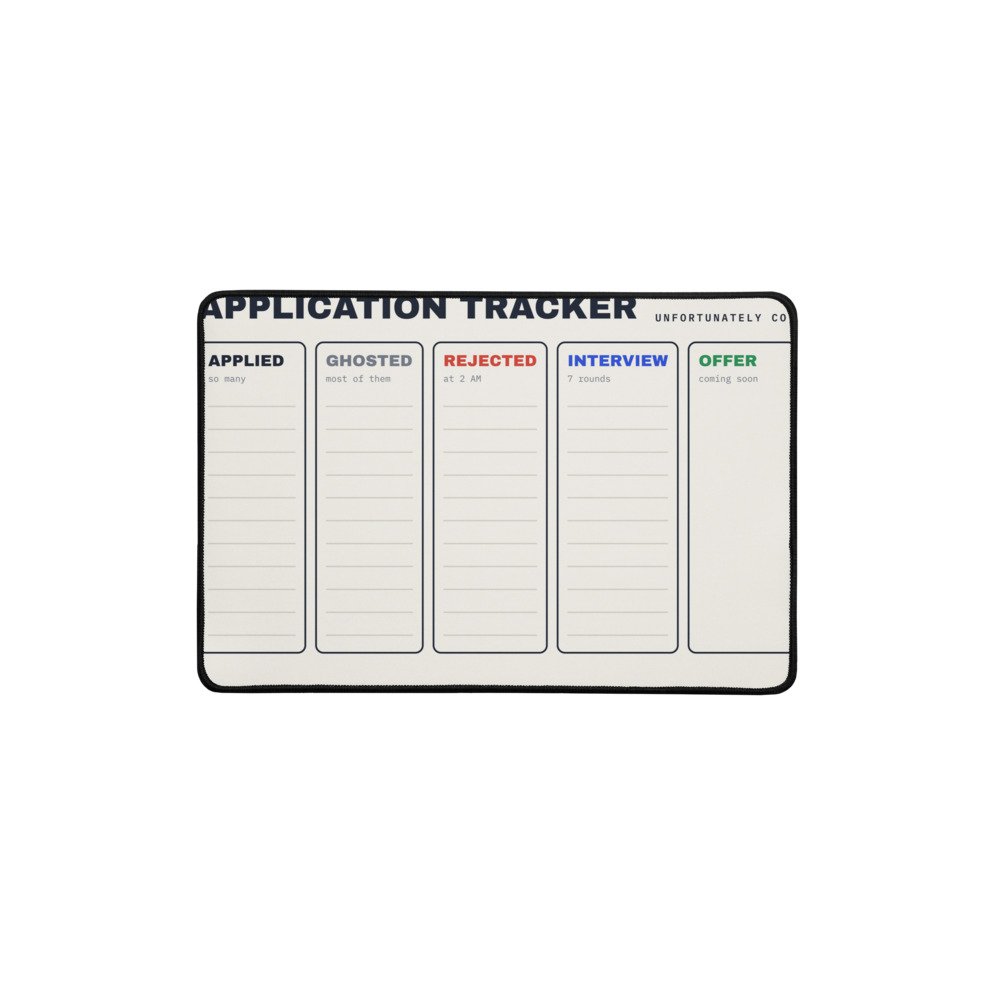
- Track every application, contact and follow up date in one place.
- Set a weekly goal you control, like ten tailored applications and five conversations, instead of a goal you do not, like offers.
Look after yourself
A layoff is a business decision, not a judgment of you. Keep a routine, get outside, and let yourself laugh about the absurd parts of hiring when you can. That is why we exist.
Frequently asked questions
Should I sign my severance agreement right away?
Usually no. Most agreements give you time to review them. Read every term, especially anything about releasing claims, and consider getting it reviewed before you sign.
When should I file for unemployment?
As soon as you are eligible, which in most US states is right after your last day of work. Filing late can delay your benefits.
How soon should I start applying after a layoff?
Take a few days to handle paperwork and catch your breath, then start with a steady routine. Most people find a schedule easier to sustain than a sprint.
Should I post about my layoff on LinkedIn?
Many people do, and it often brings leads from their network. Keep it short, positive and specific about the roles you want.